
Podcast
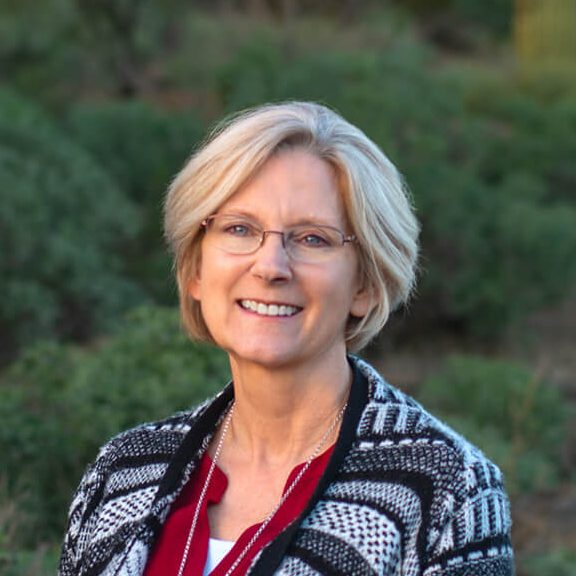
Ep #105 Finding Healing and Wholeness After Trauma: Lisa Saruga
Quick Links
From Today's Episode
Lisa Saruga, counselor and trauma therapist, shares her formidable journey from surviving a violent assault in the 1980s to having her attacker identified 35 years later. Lisa discusses how her faith in God and His goodness anchored her through her healing journey. She explains that trauma doesn’t have to define you and that feelings of hopelessness, loss, and grief can be overcome. Her story of redemption, packed full of God’s tender love, eventually led her to become an advocate for legislation to protect victims. We’re drawing from her book: The Trauma Tree: Going Beyond Survival, Growing Toward Wholeness
00:00 Introduction: Facing Death and Finding Hope
03:30 The Assault: A Life-Changing Moment
05:09 The Aftermath: Suppressed Trauma, Becoming a Therapist
05:56 The Cold Case Reopens
08:06 God’s Presence in the Journey
13:42 Meeting the Perpetrator
20:00 The Pear Tree Analogy
23:23 Theresa and Elise: Different Paths to Healing
27:55 Understanding Basic Needs and Trauma
34:23 Raw Journaling that Heals
38:00 A Message from God in the Mess
45:05 Seeing God’s Goodness in Dark Times
Today's Verses
- Psalm 27:13-14
- Psalm 119:81
Additional Resources
- Connect with Lisa: LisaSaruga.com
- Book: The Trauma Tree: Going Beyond Survival, Growing Toward Wholeness
Podcast Transcription
Finding Healing and Wholeness After Trauma: Lisa Saruga
Lisa: [00:00:00] When he was assaulting me and I was pretty sure I was gonna die, my fear wasn’t death. It was, am I gonna go to heaven? I don’t even know. When my cold case was reopened, I felt like life was upside down and inside out and the creative in me said, I’m gonna journal upside down and inside out.
Lisa: So I bought black paper and white pens and oh, holy moly. I did not know how powerful that was gonna be. Because at the end of about a year, I looked back and realized that God and I together had written a bright future on those dark pages.
Welcome to the Unshakable Hope podcast, where real life intersects redeeming love. I’m Kelly Hall, and this is where we wrestle through faith questions such as, how do I trust God’s heart when his ways and delays are breaking mind? We’ll hear from people just like you and me who have experienced God’s faithfulness when life didn’t unfold as they expected my prayers, that God would renew our hope and his word and his love through these [00:01:00] conversations.
Well, hey guys, I’m so glad to be joining you for a new year, 2026 and a new season of bringing you stories that I pray. Fill your hearts with hope and courage as you walk out your own stories of faith. I have a surprise I want to share with you. I have a beautiful new devotional, 31 Stories of Hope from women all over the country, and it is.
Absolutely free. I’m so honored to offer this to you through my website, kelly hall.org. It should be available in a week or two. I am so inspired by these stories and I can’t wait for you to see it. Well, today you’re going to hear another truly powerful story, and I wanna encourage you to listen all the way through today’s podcast because the stories of redemption she shares and one toward the end are absolutely incredible.
If you are someone you [00:02:00] know has walked through trauma of any kind and may, you might even be struggling to believe that hope is possible. Well, my guest today knows from firsthand experience. Trauma doesn’t have to define you, and healing and wholeness are truly possible. My guest is Lisa Sarga.
She survived a violent assault in the early 1980s, and then 38 years later her attacker was identified. But this fight for justice and closure opened a whole new journey and deeper levels of healing, which she will walk us through today. Let me tell you a little bit more about. About her. Lisa is a licensed professional counselor and EMDR, trauma therapist, a speaker, and an author.
She’s certified also as a legal and ethical specialist who actively advocates for legislation to gain justice for survivors. Her book is The Trauma Tree and the subtitle is Going Beyond Survival, growing [00:03:00] Toward Wholeness. I love this book, and I’m so grateful to have Lisa here today.
Lisa, thank you so much for joining me.
Lisa: Thank you for having me. It’s so good to be here.
Kelly: I’ll also just mention that you’ve truly become a prominent voice in this field. I now see you all over the place of speaking in many different venues and really fighting for justice and supporting those who have walked through trauma.
Kelly: I’m so grateful for the work you do, Lisa. Thank
Lisa: you. Thank you. Thank you.
Kelly: Well, in the book you share your experience of being assaulted and then the retraumatization you experienced of having the case reopened and then the attacker found. So would you just please share with us part of your story and how you emotionally navigated this and how God met you and all of these spaces.
Lisa: Yeah, God is good, isn’t he?
Kelly: Yes.
Lisa: So this, my trauma came in the form of a violent crime. And, and I wanna [00:04:00] be clear, my book is about trauma in general, and so I share many stories. It doesn’t have to be something similar to mine. There are many forms of trauma. But when I was 18, I went to college. I had always planned to study music.
Lisa: I was so excited to be in college and my dream was coming. And, um, very early in my freshman year, I was asleep in my dorm room and I woke up to a man in a mask crouched next to my bed. That, that was a life changing moment, of course. Um, of course, yeah. It was terrifying. And I, I wanna say be, before I talk too much about it, I would like listeners to understand, I know that.
Lisa: Many of you have experienced similar situations, and so I just wanna start out by saying, let’s just put our feet on the ground and our hands on our lap and know we’re, we’re here, we’re safe. I’m safe, you’re safe. And I I just wanna to reassure you that there is hope in this story. So this [00:05:00] man through the course of hours, I was raped, I was knifed, and I was nearly suffocated. So it was a very violent experience. And again, it, it was life changing because over time my prior priorities completely changed. However, I did not go get counseling. I didn’t I didn’t. Deal with my trauma at the time. I, uh, it just seemed safer to put it on a shelf in the back of my mind and not think about it.
Lisa: Nobody else was talking about it. And so I had to convince myself this was no big deal. And so I really did not deal with my own trauma. I did, however, become a trauma therapist, which is kind of funny that I would do that without doing my own work. So I, I did that for many years. Again, when I say I didn’t deal with my own trauma, my adult children never even knew what happened to me.
Lisa: I just didn’t talk about it. It was not a part of my life.
Kelly: Wow.
Lisa: So 35 years later, after I had. [00:06:00] A career and kids and, you know, life had moved on. I was actually taking care of all four of our parents in our home and I was very stressed.
Kelly: Yes.
Lisa: And one day I woke up and, and there was a lot going on and I said out loud, God, how much stress do you think I can take?
Lisa: Never ever ask that question because it was about 10 minutes later, my phone rang and it was the police from my campus from 35 years earlier.
Kelly: Oh man.
Lisa: And they didn’t tell me what they were calling for. They said they were working on a case they needed, they were coming to my hometown to talk to me.
Lisa: And my mind didn’t even go back to that crime because I worked for that university later. I just thought that has to do with a student or something that happened in my residence hall or you know, it just could have been anything. And it turned out somebody had called the police 35 years later and said, this man confessed this to me [00:07:00] 35 years ago and I feel bad ’cause I never reported it.
Lisa: And he told, he gave the identity of the man in the ski mask.
Kelly: Wow.
Lisa: So my cold case was reopened and. What a shock. And because I hadn’t processed my own trauma, that’s when the PTSD hit.
Kelly: Hmm.
Lisa: Um, I mean, I just fell apart. I couldn’t sleep. I would wake up dreaming that I was suffocating. ’cause he had tried to suffocate me.
Lisa: I would dream I was drowning. I was, my emotions were just so dysregulated cried at the drop of a hat and didn’t know why. I had to tell my family who had never known, which, you know, when somebody experiences a trauma, one of the hardest parts is to tell others what happened. Because then not only are you reliving what happened to you, you’re experiencing their trauma in the moment as they learn about.
Lisa: Incident.
Kelly: Mm.
Lisa: So, um, so that was a really difficult time. I remember people ask, saying, oh, that’s so [00:08:00] exciting. You must be so excited that you’re gonna get justice. No, I just wanted to leave it in the past. So, um, yeah, so that’s what, that’s what happened to me and it was quite a journey in terms of how God walked through that with me.
Lisa: But I, I think. He actually started the process before the incident even happened.
Kelly: Hmm.
Lisa: So I, I mean, God knows in advance Yes. The things that, that we’re going to need. Right. And when I got to. College as a freshman, one of the first people I met, his name was Tony, became just a really good friend and he was one of the close friends that walked me through.
Lisa: After that experience happened, and the interesting thing is that Tony and I stayed lifelong friends. We ended up going back to the same college and working together for years. I sang at his wedding, friends with our families or friends and. And when that case reopened and the police called and [00:09:00] didn’t tell me why they were coming to my house, Tony was actually the vice president of Student Affairs at that college.
Lisa: And so I called Tony and I said, you know, the police called, they’re coming to talk to me. Did you and I do something wrong back in the day? And he said, I don’t know, but I’ll find out. And I believe that God knew 35 years before that Tony was gonna be the person to call me and say they know who did it.
Lisa: And oh my goodness. So I just, I see God’s hand from. Even before the incident happened. And I do think that God preserved my mind and heart somehow by letting me not think about it for 35 years. I, I think that he knew I needed that time to raise my family and to, to be okay for them.
Kelly: Mm-hmm.
Lisa: Um, so, you know that, that putting it off is very common when people.
Lisa: Experience trauma. They don’t, it’s too painful to think that it really happened to you. And so we convince ourselves it’s no big deal. And, [00:10:00] and that’s so common. But it was a big deal.
Kelly: Yeah.
Lisa: And, and it was a big deal I wasn’t prepared to deal with until 35 years later. So I think God protected me in that way.
Lisa: And then once it reopened, the presence of God was so clear. I mean. Within 24 hours, people were calling and asking me to write a book. I never planned to write a book ever. Legislators were calling me because my case highlights some things that need to change in the law. I was able to get godly counsel from a forensic psychologist that was so helpful in, in putting these pieces together for me.
Lisa: And, and right the end of this, , I have to share, there was three, a three month investigation when the fir, the first incident happened when the cold case reopened. It was another three month investigation, and that’s a long time to wait. And what I was told at the beginning of this was the [00:11:00] prosecuting attorney really wants to get this guy.
Lisa: You know, we, we really wanna make sure that you are safe and that he’s put in jail. And three months later what I learned was there’s no statute of limitations now on a crime like that. But there was when it happened and he couldn’t be arrested.
Kelly: No.
Lisa: Yeah. So he, he has walked free and the law protects him.
Lisa: I can’t say his name or I can be sued. And it, it got even to the point where this man is a person of interest in a couple of rape homicides. And I was contacted by the attorney General’s office and told that, um, they, they had reason to believe he was looking for me and that it was a dangerous situation, but they couldn’t help me.
Lisa: They couldn’t even do a safety plan for me because he wasn’t prosecuted. And unless he’s prosecuted and found guilty by the state. The federal government won’t offer victim protection.
Kelly: Hmm.
Lisa: So I was on my [00:12:00] own. It, it was a terrifying kind of a time to think that this guy’s out there looking for me, knows that I, you know, he’s been reported and connected.
Lisa: I would be a, a witness in these other cases. So there was a lot of retraumatization in that period.
Kelly: Mm.
Lisa: But God was so faithful. You know, I, I know he protected me. And, and it’s crazy because some of the, the miracles that happened, you know, connections that I made when I went to Washington, DC the first time I went to Washington, DC to meet with a couple legislators, I was on the Metro and I asked the guy.
Lisa: Next to me for some directions. ’cause it was my first time there and he and I talked for maybe five minutes and he shared that he was writing a book and I said I was writing a book. So we exchanged cards and when I got off the train, I looked at his card and it was John Ko who was the whistleblower and the water boarding.
Lisa: Incidents.
Kelly: Oh my.
Lisa: And we have been friends ever [00:13:00] since I see him every time I go to Washington DC But what happened from that? I mean, tell me if this is not God. I just happened to run into him, just so happened on this train and the next day he called and said, I have a friend who wants to talk to you about your story.
Lisa: And his friend was Brian Ross, who used to do Dateline in 2020. And Brian Ross and I have been filming a documentary on the story ever since.
Kelly: Wow.
Lisa: So, yeah, so you know, I didn’t go looking to do any of this. I didn’t wanna write a book, but God said You’re gonna write a book. I did not think I was ever gonna go to Washington, DC to talk to legislators.
Lisa: And God opened that door, and then he opened this door to the documentary. And through that documentary, he opened the door for me to get to meet my perpetrator. Yeah.
Kelly: Wow.
Lisa: So, um, so a couple years ago I went and confronted him and face to
Kelly: face.
Lisa: Face to face. And it was, I’m happy to tell you about that [00:14:00] if you want to, but it was in some ways some people would say not productive, ’cause he didn’t talk to me at all which I wouldn’t think he would’ve.
Lisa: But I was able to give him a Bible and to write him a letter to, to talk about really basically what he meant for evil. God turned to good.
Kelly: Hmm.
Lisa: And, and to invite him to get to know Jesus.
Kelly: Yeah. None
Lisa: of that was on my plan. That was all God’s plan. He worked all of that out. And so when you ask how, how God.
Lisa: Walked me through it. He’s walked me through it every minute. He’s taken care of every detail, and what I know now is he never forgets our trauma. He didn’t forget what happened. He knew who the guy was. He knew where he was. He knew that when I needed to not be dealing with the trauma and when I was ready to process the trauma.
Lisa: So I feel like God orchestrated all of it.
Kelly: That’s such a comfort, Lisa.
Lisa: Yeah. I wanna [00:15:00] be really clear too, I don’t, I’ve never felt God caused the trauma. I, and I think that’s an important point. I talk about that. Yes. Um, you know, when people say, where was God when this happened? Why didn’t he intervene?
Lisa: And I believe God was right there in the room and he was weeping with me.
Kelly: Yes.
Lisa: Um, I don’t think he purposes for us to experience trauma, but I do believe he can use everything for his purposes.
Kelly: Yeah, for his good, and I do believe that even in the trauma. He protected you from being killed, and yeah, he protected your life and he protected your mind and he provided help all along the way.
Kelly: And the timeline, when you look at the story of Joseph, in the Bible. Mm-hmm. You see how God used so much trauma and betrayal and imprisonment for something he didn’t do and on and on to bring about great, good. And all along the way we read and God was with him.
Kelly: Yeah. And God, God blessed him and all of these places of hardship. And [00:16:00] Lisa, that’s really apparent in your story. It does bring hope. . I’m so grateful for the ways God met you and intervened and provided for you. And I mean, it is sad as people who are a people of justice created by a just God.
Kelly: You know, we have a heart for wanting to see justice take place in the way we see it should happen. And . It’s hard to hear your story and not see that justice play out. On the backside of it the way we want to, the way we wanna watch a movie, you know, and see it wrap up. And you didn’t get that.
Lisa: No, no. But, you know, healing is possible even when we don’t get a happy ending.
Lisa: And I, I think that’s really important for us to, it. It’s not easy to understand, but to take hold of that idea that healing is possible. God wants goodness for us in this life.
Kelly: Mm-hmm.
Lisa: And his goodness is not dependent on finding a successful worldly conclusion.
Kelly: Yeah. But boy, [00:17:00] have you seen redemption? Wow. You’ve seen redemption out of your story in ways that are unbelievable. And I know this book is reaching so many people and, and God is continuing to use you and your advocacy to make changes in the legislation that you wished had been in place for you during your crime.
Kelly: So thankful for that. One of the things you mentioned, and this is just a really small point, but it stood out to me because I didn’t understand this. You said that when you, you need to talk about your story, certainly to heal, but when you tell somebody. You experienced their trauma of hearing it for the first time.
Kelly: So when you told your family people who love you so dearly, that was hard on both ends of the conversation. And I never understood that because when I found out that my twin, so we had our oldest daughter who was hearing impaired, and then we had our son, and then the, our twins were born. They were diagnosed also [00:18:00] as profoundly deaf, and I couldn’t call my parents.
Kelly: I had to call people from my Bible study group just to get used to saying the words.
Lisa: Yeah.
Kelly: So it’s so interesting for you to explain why that is.
Lisa: Yeah, it, that was very difficult when it happened. I didn’t wanna tell anybody. I mean, I, I told. The police were called. I went to the hospital. I did a rape test kit.
Lisa: All, all of the things you’re supposed to do. But I remember at the hospital, they kept asking me who I needed to call and I said, nobody. I did not wanna tell anybody. And at that time they, they finally, during the intake asked, you know, what insurance I had, whose insurance was I on? And I gave him my dad’s name and they called my dad and handed me the phone.
Kelly: Oh,
Lisa: wow. Which, yeah, that was, that was pretty re-traumatizing too. But my, uh, there’s so much good that came from that conversation with my dad. ’cause my dad was somebody I was very afraid of. But he, it was a very healing time for [00:19:00] us. His, he was very compassionate. And, uh, but I wanna say I called, I had to call my mom then, ’cause my dad knew and they were divorced.
Lisa: So I waited several hours before I called my mom, and this is horrible. But what I did, I called her and said, I’m gonna tell you something and I just want you to say, okay, and hang up. I don’t wanna talk.
Kelly: Oh my goodness.
Lisa: And I dumped this on her and she said, okay, I love you. And she hung up the phone and we didn’t talk about it.
Lisa: And that was, that was part of my, you know, just avoidance. I didn’t wanna hear her response. That would’ve been horrific. I know it was a horrible time for her, and we didn’t talk about it really until I started writing a book 35 years later.
Kelly: Wow. Oh, Lisa, oh my goodness. Thank you for being willing to dive into these deep places with the Lord and bring this book to the surface
Kelly: so we can learn from all that God has taught [00:20:00] you. One of the things that, the Lord did as you were healing is he used a pear tree, a very precious pear tree in your yard, to give you an analogy for trauma recovery. I think this is how God works. What I love about God is how creative he is.
Kelly: Yeah. And how tender he is with our hearts. So I think it would really bless our listeners to hear about your pear tree and the trauma analogy that God gave you.
Lisa: Well, I, and I’m so grateful that he did gimme the analogy because my goal in writing this book was I want to address. Your trauma without retraumatizing you.
Lisa: I wanna make it soft. And so, when this pear tree incident occurred, it was like, okay, the tree is not a person, so it’s not quite as triggering, but we can learn so much from that pear tree. And as I was writing the book, I open with the story of my little Brad. It was a new Bradford pear tree, not a Bradford Pear, but a new Bradford Pear, which is , a [00:21:00] hybrid.
Lisa: Uh, it’s an ornamental pear tree and, uh, we, my husband and I. Got married 20 years ago and it was a second. It was not our first marriage. So we were blending a family together and we got this little ornamental pear tree as a wedding gift. And it symbolized to me the future of our family we’re gonna watch this tree flourish and grow just like we’re gonna flourish and grow.
Lisa: And it was just so symbolic and I nurtured that thing for almost a year before we planted it. ’cause winters are hard in Michigan. So we kept it. In our garage and warm for that first season. Planted it outside. It was so beautiful and, but it was in the shade of this ugly pine tree. And so my husband, decided to cut the pine tree down and you can read the whole story.
Lisa: It’s, it’s pretty silly how it all happened, but he cut the pine tree down and landed directly on the pear tree. And we were left with a, like a stem in two sticks. [00:22:00] So breaking heart tree, it was heartbreaking. And, this tree suffered horrific trauma. I mean, when we talk about Big T and little t Trauma Big Tree is that life threatening, life altering kind of trauma.
Lisa: And that’s what I saw my tree as suffering. Yeah. And I didn’t have a lot of hope that that tree was gonna survive. Together, my husband and I learned that this tree was created by God with everything it needed to survive. And all of the things the tree has, we also have in our lives. And so I tell the, the story from the perspective of a pear tree.
Lisa: There are other stories too. You’re gonna read about traumas in there that happen to human beings, but the, the pear tree, the story of the pear tree is what is the thread that guides us in the healing process in this book.
Kelly: Yeah. Yes. And it really is so gentle on your soul, you know, to read about that if you have experienced trauma, I love the way that that just threads all the way through the book.
Kelly: Only God could provide such a pertinent and beautiful analogy. [00:23:00] You also share many, many beautiful stories of people who have finally realized that , their trauma has happened. They’ve, processed it and they found healing. So each of the stories you share thread through different parts of the book, and they also come with so much hope that every single story really gives us insight into how trauma works and how healing happens.
Kelly: And so I’m wondering if we can kind of dive into, as briefly as you want, these two women, Theresa and Elise. Who experienced significant trauma, both of them experienced the same trauma, and yet the outcomes were very different. Mm-hmm. Because of the way they processed, because of their foundations. So I think it would be really helpful for us to hear and understand why their stories were different, why it was harder for one than the other, and then how God builds those foundations.
Lisa: Yeah, I mean the trauma was hard for both of them, but the healing process was [00:24:00] different. And this is a great way to talk about the analogy of the pear tree too, because, ’cause I talk about two kinds of roots in this tree. When a tree is a, a seed, the first thing it does is it sends out a tap taproot.
Lisa: And it’s a taproot that, that’s just in the DNA it’s what anchors that seed to the soil and then anchors that tree for the rest of its life. And so I, I think of that taproot as, as kind of the nature part of who we are. What are we born with? We’re all born with strengths and weaknesses, but what are the strengths?
Lisa: That will pull us through, right?
Kelly: Mm-hmm.
Lisa: And so we’re all born with certain character traits that are strong in us. And so both of these women had pretty strong tap roots. They were both very bright, successful in their jobs. You know that they both had a lot of strengths to draw from.
Kelly: Yeah.
Lisa: But then
If you look at the shallow roots of the tree, they’re shallow in the soil. They usually spread out quite a distance and they kind [00:25:00] of anchor the tree or hold it up and get nutrients to the tree. Enough to survive, right? Yeah. But they’re not deep. We have to grow those deep roots so that when there’s, you know, when there’s a drought or a storm, we’re anchored to the ground and we’re able to,
Lisa: get to those resources, those deeper resources, and that kind of a root system grows when our needs are met. If you think of Maslow’s hierarchy of needs, you know, when our basic needs are met, we get our shallow roots, we’re gonna survive. But we need those deeper roots to really stabilize this.
Lisa: And the difference between these two women, one of them grew up in a strong family. Very supportive of each other, Christian family, they prayed for one another. They were each other’s support system, right? And she was able to grow these really deep, rich roots. And unfortunately, the other one grew up in a family where there was alcoholism and abuse and neglect, and she, [00:26:00] she just didn’t grow those deep roots that she needed to weather the storm and.
Lisa: As a result, they both had similar jobs. They both had similar trauma. One of them went on to just really be not only healthy, but helpful to others. She was able to comfort others with the same comfort she received from Jesus. The woman that did not grow the deep root systems and especially didn’t know Jesus, she just didn’t have the ultimate support.
Lisa: She kind of fell apart and she became an alcoholic. She did get married and had children, but she lost her children. She wasn’t able to parent them. It, it was just so sad to see the difference in how they reacted to their trauma. Um, both of them were in therapy. Both of them are getting similar therapy, and I believe there’s hope for both of ’em.
Lisa: I, I don’t think when we, when we don’t grow those deep roots in our early life, it’s [00:27:00] not too late to grow those.
Kelly: Right. But
Lisa: one of the, one of those women’s gonna have more work to do than the other.
Kelly: Yeah. That’s, yes. It still offers so much hope. I’m so thankful they’re both getting counseling and working through it.
Lisa: Yeah.
Kelly: You mentioned how when we have trauma, we begin to know that we have some needs that may be unmet, like one woman. I mean, it uncovered some needs that she hadn’t had met in her life. And so I’m just wondering what, how you would describe what kind of needs do we need in our life?
Kelly: What kind of tap roots do we need to be successful in finding wholeness and healing?
Lisa: Mm-hmm. That’s a good question and, it’s a long answer.
Kelly: Well, and maybe I may not have even worded it correctly. So we all have needs. Yes. But how do we see that these needs are met?
Lisa: You know, when we think about infants, their basic needs are, they need to be held, they need to be fed, they need to be changed.
Lisa: Right.
Kelly: Right.
Lisa: They need to be protected. And, and then as they get older, there’s more and more needs. [00:28:00] Those, those basic needs just keep us alive.
Lisa: But when we get love, then we learn to be a little stronger. And when we get, um, when our needs are met for just affirmation of who we are and affirmation of who God says that we are you know, all of those, those nurturing, responses that we get are what? Grow those deeper root systems. And when I think about it, when we experience trauma, it’s almost like we’re an infant again. And so first we need to meet those basic needs. So, uh, you know, after trauma, it’s not uncommon for people to stop eating, to isolate, to not get good rest, the basic needs.
Kelly: Yeah.
Lisa: And so, after a trauma, that’s where we start again, and then we go deeper from there. And then the needs, the needs are much deeper and they’ll reveal themselves over time.
Kelly: I took a course and one of the things that says [00:29:00] we all have these intrinsic needs, we need to be valued, we need to be loved, we need to know we’re secure and that we have a place where we belong.
Kelly: So those are just some of the needs that maybe are intrinsic to every person. Have you found that to be true
Lisa: Yes. And I actually, in the book did a a diagram of roots. That are like an upside down Maslow’s Triangle. And it talks about each of those needs, the love and belonging, you know, first we need, we need water nourishment, we need love and belonging.
Lisa: We need a sense of purpose in life, right?
Kelly: Yeah.
Lisa: We need safety and security. We need to feel safe in order to operate at our full potential.
Kelly: One of the things I thought was really good too in your book is you had a list of strengths. You were just talking about how we all have strengths, so it really helps to spend some time identifying what are these strengths, because that fills you with courage.
Kelly: Well, I actually, even in these places where I feel helpless and hopeless, I have a lot of strength here. I have demonstrated so much [00:30:00] courage and I have the all of these abilities to move forward, and it’s so important to acknowledge those right.
Lisa: I’m so glad that you said that. I think you’re the first person to ask to bring that up in , an interview situation, but so often I meet with clients who will tell me they have no strengths.
Lisa: Especially following, a trauma you know, I don’t have what it takes. I don’t have any strengths. They can’t think of what they have, what they bring to the table. And so that’s why I put that list in there because we all do, we are all born with strengths.
Lisa: And we tend to look at those, maybe the areas of weakness.
Lisa: Well. I’m not courageous and bold, so therefore I have no strengths. Well, maybe that’s not your strength, but there are strengths and we need to find those to know what do we have to help us through. And I think it’s important too to say, you know, we don’t get over trauma people. People often hear, you know, when are you gonna get over it?
Lisa: When are you gonna get over? We don’t get over trauma. We get through it.
Lisa: And we need God [00:31:00] and we need to know our strengths to get through.
Kelly: Hmm. Amen. Well, one of the most common ways, and you’ve mentioned some of this already, whether you’re dealing with a big T trauma or a little T trauma, it seems to involve, well, this is what you did.
Kelly: You stuffed it, you know, you avoided it, but some people turn to, numbing like alcohol or even veggie out on Netflix or something. Mm-hmm. So I’m just wondering if you have any. Thing you wanna share about how we can process our traumas in a healthy way and maybe just understanding how our brain works with trauma.
Kelly: Maybe that would help us.
Lisa: So I really think it’s common to stuff first, and that’s self-protection. We kind of dissociate from what happened.
Lisa: We often think of our trauma as something like we’ve watched it on tv. We didn’t. We don’t really think of us being in the experience. And those are really just self preservation techniques and they’re, they’re helpful at first, but they don’t help get us through the healing to the other side.
Lisa: There are a lot of people [00:32:00] who. Don’t do the work to find out what do they need to cope. And so they use what I call artificial coping strategies, and that would be drugs and alcohol Netflix. Yeah. All those things you just mentioned would be artificial coping. They’re good in the moment, but they don’t help us long term. They make things worse. And so I really encourage people to. First of all, meet those basic needs. Get stable, but then don’t be afraid to do the deep work that needs to be done to heal. Mm-hmm. And some of that means we’re gonna walk through that pain. We can’t just put it off.
Lisa: The first thing I would say is, who is your support system? Who can you talk to? And it’s important to identify who you can safely talk to, who’s not gonna. Judge critique, you know, it’s not gonna be like job’s, friends who say what, you know, what sin did you commit to make this happen?
Lisa: Yeah. Um, I always say job’s friends, you know, job experienced big TF trauma after Big T trauma. And
Kelly: yeah,
Lisa: [00:33:00] his friends showed up and they did exactly the right thing for the first couple days. They just were there. They didn’t really try to fix anything. They just were his support system. Yeah. They sat with him, they cried with him, but then they started thinking, okay, I don’t want this to happen to me, so what did he do wrong?
Lisa: So that I don’t do the same thing. Right. And we tend to do that to each other in crisis, like. As we’re trying to support somebody, we’re also going, what’d they do wrong? So it doesn’t happen to me.
Kelly: Right?
Lisa: Yeah. And that can turn into guilting and shaming and all kinds of things. So you need to find that person that you can just talk to who’s just gonna be your listener.
Lisa: They’re gonna be your unconditional support. And hopefully it’s more than one person, but it, it could be one person. And if you don’t have that person in your life organically. Then find a good counselor who’s gonna just be devoted to you, right? Mm-hmm. So we, we all have places that we can go. We all have a God that we can turn to.
Lisa: That’s important too. We have to be [00:34:00] able to talk with God openly. And if that means, God, I’m mad at you right now. Right then that’s what we need to be able to do because absolutely, God can accept that. God can accept that. And he, he knows why you’re mad and he wants to comfort us. Yeah. And so, so the first thing is don’t just stuff everything inside.
Lisa: You’ve gotta have somebody you can work through this with. And then some other things that I, that I would recommend would be, journaling. For me, journaling was, was huge. When my cold case was reopened, I felt like life was upside down and inside out and the creative in me said, I’m gonna journal upside down and inside out.
Lisa: So I bought black paper and white pens and started journaling and oh, holy moly. I did not know how powerful that was gonna be. Because at the end of about a year, I looked back and realized that God and I together had written a bright future on those dark pages.
Kelly: That is so powerful. [00:35:00]
Lisa: Yeah. And I actually, when I speak, I now have brighter future journals.
Lisa: They’re black journals with white pens, and I encourage people to, to journal in that way , and to include God in your journaling. Journaling can go really south if we don’t use some techniques that, that bring light into the journaling. If we just are constantly writing down all the negativity and how bad we’re feeling, we’re stewing in the negativity and that can become, heavy.
Lisa: And so I do have some journaling techniques that I recommend. Can make this into a real positive experience.
Kelly: Well give us one of those.
Lisa: Okay. Well, they’re raw journaling techniques. So the, the, the key is after you’ve written all that stuff that’s going on within you is to then look for scripture related to the themes of what you’re writing about.
Lisa: And put God’s voice onto those pages too.
Lisa: And that’s available on my website actually. You can. Email, subscribe [00:36:00] and you’ll have those journaling techniques emailed to you. So,
Kelly: I love that. I’m so glad you brought that up. What you’re sharing is something we talk about on this podcast a lot we talk about how to handle grief. And that the main thing is just telling God the truth and that’s a safe place. And one of the verses I love from the Psalms, I mean the Psalms model, how to tell God the truth and how to know that we’re safe in that.
Kelly: But what one of the Psalms says in Psalm 119, I think it’s verse 114 but I may be wrong, but he says, I’m worn out, waiting for your rescue. I’ve put my hope in your word. Mm-hmm. And that’s almost what you’re describing in this journal, that you’re just pouring out all your wariness, all your pain, all your hurt, but yet you’re grabbing hold of what’s true to anchor us.
Kelly: Like, just like that taproot to anchor us to something that is true and hopeful and gives us a vision for life beyond this trauma.
Lisa: Yes. That’s so true. That’s so, and many of the [00:37:00] Psalms, if you read them, they, they kind of start out as a lamentation.
Lisa: And then end up with hope.
Kelly: Yes.
Lisa: And especially, you know, David would just pour out all the grief and the pain that he was experiencing and the danger that he was in and the fears that he had.
Lisa: And then he would say, but God. Right. , And, and he would say, I, this is what I’m trusting in. And that’s what our journals, that’s a, I never thought about that verse as a model for these journals, but that’s really what we’re doing. Lamentation and hope can go hand in hand.
Kelly: Yes.
Lisa: But you can’t focus on the lamentation and not the hope that God offers.
Kelly: That’s right.
Lisa: Yeah.
Kelly: Do you have another one you wanna share with us?
Lisa: I do. There’s several things that we talked about. You know, talk about it, get a counselor journal, and then just build your support network. Find out who you can trust and bring them in. ’cause I, I didn’t remember, I didn’t tell anybody.
Lisa: Right. [00:38:00] And, . I have a story. Can I tell a story here? Yes,
Kelly: please.
Lisa: Okay.
Kelly: We’re all about stories here. Lisa,
Lisa: god did this amazing thing for me and that Tony, my friend, who was the one who told me that this was reopened a few months after no, it wasn’t even a few months because case wasn’t even closed yet.
Lisa: So shortly after my cold case was reopened, Tony called me and said the, the building where the assault happened was gonna be torn down. And he had arranged for me to be the last person to walk through that building before it was torn down. And my husband and I agreed we would go and do that and meet Tony for lunch and then we would head over.
Lisa: And the whole way I was saying, this is like so dramatic, you guys, we don’t have to do this, you know? It’s just, we’re just making drama out of this. And they were like, oh, you’re going. So, so we walked through the residence hall and I had a lot of good memories in that hall too, right? So we went, we, we kind of were having fun talking about different memories and when we got to [00:39:00] the room where it happened, the emotional impact of seeing the wall that I had pounded on to try to.
Lisa: Get somebody to come and help me. It was overwhelming and I, I started to cry and Tony said, you know, I’m gonna be in the hall. You guys take as long as you need. And my husband, these two men, they’re so amazing. My husband handed me a handful of Sharpie markers. And he said, go ahead and write until you run outta ink, right on the walls.
Lisa: They’re coming down anyway. And the first thing I did was I wrote the name that I had just learned the name of this, the perpetrator, and I wrote his name on the wall right where I had pounded and I started writing scripture verses around his name, which sounds. You know, that sounds all wonderful except I was doing things like, you know, vengeance is mind, says the Lord.
Lisa: And it was the burn and hell kinds of scriptures that I was writing around his name. And I, I wrote for quite a while and then finally I stepped back and I was looking at the wall and it was like my gut just said, that is not what I was supposed to write on that [00:40:00] wall. And I stepped back up and I wrote, God is not slow.
Lisa: Answering us, right? God is not slow, but he wants that. None should perish. And I was thinking, you know, when he was assaulting me and I was pretty sure I was gonna die, my fear wasn’t death. It was, am I gonna go to heaven? I don’t even know. I mean, am I good enough, right?
Lisa: I knew I was a sinner in that moment, and this man is a sinner.
Lisa: And I wrote next to his name, even You are not too far for God to reach.
Kelly: Hmm.
Lisa: That changed my whole perspective. That started my journey to forgiveness. Wow. That this guy was also a child of God. And so I wrote many other things on the wall, and then I went out in the hallway and Tony and my husband Barry were standing there and Tony handed me a sledgehammer and said, where do you wanna start?
Lisa: And I thought, okay, this sounds like fun. So I’m gonna, I wanna put a hole through that wall. I pounded on. That whole, that, [00:41:00] that weight of freedom. Right. And I’m gonna start by chipping this guy’s name off the wall that I had just written there.
Lisa: So I took this sledgehammer and I swung so hard at this wall, and I made a tiny little dent in the wall.
Lisa: It was just a dent, and I kept swinging and swinging. I mean, I was exhausted and it was just making little dents in this wall. Turns out the wall was like three feet thick. These residence hall rooms were, were these several block structures and soundproofing and all kinds of stuff. But finally Tony and Barry started helping me.
Lisa: We were taking turns. Now that was significant because between the three of us, we had the energy and the power that eventually it was my husband who swung the hammer and it put a hole in the wall.
Kelly: Wow.
Lisa: And we were tearing like. We just moved something, you know, we just moved a mountain. Yeah. It was just so exciting.
Lisa: Yeah. And as we left, all [00:42:00] three of us at the same time had the idea of looking through the room on the other side of the wall. We stepped into that other room and this was so profound. The hole that we had made was a perfect heart shape. Oh my goodness. From the other side, it was a perfect heart shape and, and it just made me think of the love of Jesus.
Kelly: Wow.
Lisa: But a, around that heart shape, there was about six foot by six foot square of wall that was destroyed. I mean, the bricks were just laying on the ground. It was just crumbled. And I just, I just had this moment where it was like, you know. 35 years ago, you didn’t ask for help, you didn’t go to counseling, you didn’t talk to me, to God, and you barely made a dent in your healing.
Lisa: Oh, you just barely made a dent. But now you’ve invited your friends and your family into help, and you’ve got godly counsel, and you’ve included me in the [00:43:00] process and. You know, from our side of things, it feels like we’re barely making a dent. We’re working so hard and barely making a dent, but we don’t know what God’s got going on.
Lisa: On the other side. Yeah, on the other side, God was destroying what had crumbled me in the past, and he was making room for a new masterpiece. That was such a profound. Moment, and I’m just so grateful that God made that happen.
Kelly: Wow. That is such a powerful redemptive picture of how the healing is really happening.
Kelly: God is always in the business of healing our souls. Mm-hmm. He’s always drawing us closer to himself. And it doesn’t, just like you described, it doesn’t feel like much is happening.
Lisa: Yeah.
Kelly: Yet we can know that his love is breaking down strongholds and is moving
Lisa: us
Kelly: closer and closer and closer to wholeness.
Kelly: Yes. To that beautiful wholeness and even the forgiveness he took you through. That is so amazing. It’s so amazing how he moved [00:44:00] you from vengeance. To even praying the love of Jesus over this guy. Yeah. In that moment, in that dorm room.
Lisa: Isn’t it incredible what God can do? You know, it just, when we include him, I mean, when we turn to him and truly listen for his voice, it’s amazing what he can speak into our hearts.
Kelly: Yes. , I love that so much. , And that really speaks even to this next verse I wanted to highlight from your book. It’s Psalm 27 13. I brought it up so many times on this podcast. It reads, I remain confident of this. I will see the goodness of the Lord in the land of the living. I have had times where I have watched through my house declaring that to the heavens with my hand raised high and just saying it louder and louder.
Kelly: I know I’m gonna see your goodness even in this dark place, even in this heartache, because just like what you described, he’s doing more behind the scenes than we [00:45:00] can. Imagine. Absolutely. He’s always doing a new thing. Always, always. So talk to us about how that verse cultivated hope and healing in your life.
Lisa: So remember I talked about the Black Page Journal?
Kelly: Yes.
Lisa: Um, when I did that journal, when I first started that my husband had come to me one day, it was 4th of July, and he said. He knew I was struggling and he said, let’s just do whatever you want today. Let’s just do something fun. And I said, all, I just burst into tears and said, all I wanna do is run away.
Lisa: And he said, okay, where do we wanna go? And I said, I don’t, I don’t wanna be with anybody. I don’t know where I wanna be. I just don’t wanna, I just wanna run away. I couldn’t put it into words. So my husband, again, a good guy. Helped me pack my bags in the car and he said, you don’t have to tell me where you’re going.
Lisa: Just let me know you’re safe when you get there. And he helped me run away.
Lisa: That was the day I picked up the Black Page Journal, and the first scripture verse that I came across and [00:46:00] wrote in there was that Psalm 27 13, that I will see the goodness of the Lord and the land of the living.
Lisa: And in my mind at that time, it was like, okay, why was this case just reopened? I think ’cause God’s not gonna let me wait for the next life to get justice. I’m gonna get justice in the land of the living, and I’m gonna get closure in the land of the living. And I was so convinced I was gonna get justice and closure, but justice did not happen in this earth.
Lisa: Justice will happen. We have a just God and closure. We’re not promised closure in this lifetime. That we’re we’re promised difficulty in this lifetime. Yeah. Right. So, um, so I was convinced for, for months that verse meant that I was gonna get justice en closure. And when I didn’t get justice, I was so angry and I went back to my black journal and I was journaling to God how angry I was at him.
Lisa: It dawned on me, he didn’t say, you’re gonna get justice. He didn’t say, you’re gonna get closure. He said, you’re gonna see the goodness of [00:47:00] the Lord in the land of the living.
Kelly: Yes.
Lisa: And God’s goodness is here regardless of what is going on around us.
Kelly: Mm-hmm.
Lisa: And, and sometimes it’s like, you know, I think about walking along an ocean shore and looking at shells.
Lisa: You are looking at all these interesting patterns and, and colors and, and it’s fun to do. But I was doing that one time and I realized this is all dead stuff. This is the carnage, the leftover stuff of the trauma that’s happened to these sea creatures. We can focus on that trauma and that wasteland, but when we look up, when we look up from it and look out into the world, God’s goodness is all around us.
Lisa: You know, the ocean is 80% of the, the Earth’s surface and there’s, it’s teaming with life and with interesting things that we can’t even imagine. But we gotta look up from the wasteland to see the life in the ocean. And I think that’s true in our lives. We have to be able [00:48:00] to understand that even when there’s carnage around us, God’s goodness is still there.
Lisa: We still will see God’s goodness, but we have to, we have to look up.
Kelly: Amen. That verse really helps us open our minds to the goodness of God. To even consider that we could see goodness in dark places. So I think it’s very transformative when we remember.
Kelly: God’s always pouring out his goodness and he’s always doing a new thing. And it helps it just helps sensitize our heart to the presence of God in that place. Mm-hmm. But the other thing that you mentioned, I think is so important is not to put our own expectations on what the goodness of God looks like.
Kelly: And you just talked about that. , In our hard stories we may not get the resolution we want, we so many of us are living in unresolved stories. And so for our listeners, I just wanna say that even in those places, God is inviting us to surrender outcomes and place our hope in the one [00:49:00] who holds the outcome in his hands.
Kelly: And to know that we’re gonna see his goodness poured out in new and beautiful ways, right in front of our eyes, if we’ll just wait and continue to hope in him.
Lisa: Amen.
Kelly: Well, Lisa, one of the things you say is you right, you’re never alone. The God of the universe is breathing his goodness into your life, comforting your soul, and healing your pain.
Kelly: When I’ve walked through some of the hardest times in my life, focusing on God’s word was always paramount.
Kelly: That’s what anchored me. It’s, and it’s what inspired me to focus on the lives of others. Who experienced the breakthroughs that I was longing for or you know, maybe not the exact stories, but just seeing breakthrough in someone else’s life, seeing the way they held onto God’s faithfulness with so much courage really inspired me in my hard story.
Kelly: And so I’m just wondering who were the people that inspired you as you walked through the hard places in your story?
Lisa: [00:50:00] There’s so many. I’ve already talked about my husband and Tony. They really were such a strong part of my support network, but my family too. It was interesting because one of my adult children, my son happened to be at our house when I got the call and he was working with my husband outside, so neither one of them were in the room when I got the call.
Lisa: But my husband walked in and found me, uh, just a mess, and his instinct was to bring my son in. I remember I was fearful of telling my kids what happened, but that was significant because my sons, my kids were exactly what I needed to see to remind me. ’cause, because when, when this case opened, it was like I was 18 years old again.
Lisa: I was back in crisis, but when I saw my son, it was that tangible reminder that life, there was goodness in life. I survived. I did move on. I had these beautiful children [00:51:00] and, and so it, you know, that was my first reminder right out the gate, that there’s goodness, the goodness of God is here. So that was very helpful and my family became really an important part of the support for me.
Lisa: My boys were so supportive and so compassionate. And close friends. Yeah.
Lisa: And then I also found a godly psychologist to work with, and I, I wanna stress, if you have been through any kind of trauma and you’ve avoided counseling.
Lisa: Please don’t. It sounds scary, but it’s so necessary. And you know, you, you said at the beginning, I’m an EMDR, trauma therapist. Trauma lives in , a subconscious part of our brain called the amygdala. And we don’t know. It’s living there until something triggers it.
Lisa: That’s what triggering is. And then it releases all the same hormones and chemicals that it did at the time of the trauma. And those hormones and chemicals are what cause our emotions, right? And so when we hear where we’re triggered or we [00:52:00] flashback, that’s all happening in the amygdala And EMDR, eye movements, desensitization reprocessing is, in my opinion.
Lisa: One of the only forms of therapy that’s gonna access the amygdala and reduce that triggering.
Lisa: So, you know, I just really encourage anyone who’s experienced trauma Big T Trauma or little T trauma to maybe look for a therapist who does EMDR.
Kelly: Oh, thank you so much for that.
Kelly: Well, I want you to tell us a little bit more about your website and some resources you have available for people.
Lisa: Well, I’ve already said the journaling, the raw journaling techniques are on my website. And also if you email subscribed, you’re gonna get the raw journaling techniques and also, a playlist that goes with a book.
Lisa: And it’s just a very comforting, I put this together of songs that helped me get to sleep when I was in the midst of trauma.
Lisa: And so it’s just a very soothing, comforting. Playlist that goes along with a [00:53:00] book. But you can also find updates on my legislative work. You can find information about the book. You can find resources if you’re struggling. So
Kelly: I love the playlist. I love that you added that too. Thank you.
Kelly: It’s very relaxing and focusing and anchoring on the Lord. Well, Lisa, thank you for sharing your story with us today and for all the resources you’ve shared. Again, Lisa’s book, I’ll have a link in the show notes, but the name again is. The trauma tree and the subtitle is Going Beyond Survival, growing Toward Wholeness and Lisa’s life is just a testament to the wholeness that we can receive if we’re not afraid to just look the pain in the face and move through it with the Lord.
Kelly: And one of the things I always say I’m in to say this earlier is so many times we’ll think I don’t wanna. Think about my pain because it hurts too much. But when you get to the other side of the healing, you look back and go, oh my gosh, why did I stay stuck for so long? Thank you, [00:54:00] Lord. You moved me through.
Kelly: So Lisa, thank you so very, very much for all that you’ve shared with us today. God bless you, and I’ll be praying for your ministry as well.
Lisa: Thank you. I pray for you too. And thank you for all you’re doing.
If you were encouraged in your faith today, it’d be great if you’d help get the word out by subscribing, sharing with a friend, or leaving a review. I’d love to hear from you. You can reach out through my website, kelly hall.org and pick up some free resources while you’re there. Thanks for listening to the Unshakeable Hope podcast.
Share this Episode

Welcome to the Blog!
Search the Blog
Categories
Archives
- January 2024
- December 2023
- April 2017
- March 2017
- January 2017
- December 2016
- July 2016
- May 2016
- April 2016
- March 2016
- February 2016
- January 2016
- December 2015
- November 2015
- October 2015
- September 2015
- August 2015
- July 2015
- June 2015
- May 2015
- April 2015
- March 2015
- February 2015
- January 2015
- December 2014
- November 2014
- October 2014
- September 2014
- August 2014
- July 2014